
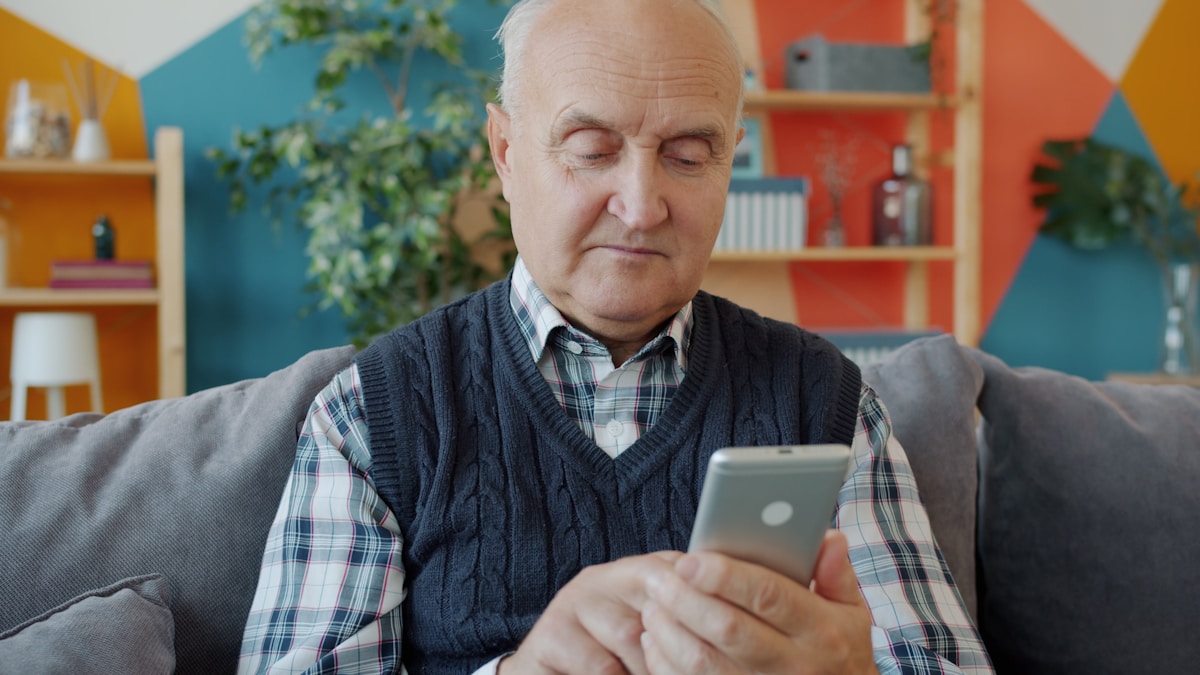
The text or call comes in and it looks official. Maybe it says it's from the Social Security Administration. Maybe the caller ID shows a Washington D.C. area code. A recorded voice — or a real person — tells you that your Social Security number has been "suspended" due to suspicious activity.
Your heart rate goes up. This sounds serious.
That reaction is exactly what the scammer is counting on.
This is the most-reported consumer fraud in America. The Federal Trade Commission received more than 568,000 reports of Social Security imposter scams in a single recent year, with victims losing an average of $1,500 each. [1] In New York State alone, seniors lost tens of millions of dollars to this scheme. [2] And it is happening right now in Erie County.
Here is exactly how it works — and how to stop it cold.
The Exact Script Scammers Use
Understanding the precise language these criminals use is the fastest way to recognize the scam. Here's a near-word-for-word version of what victims report hearing:
"This is an automated message from the Social Security Administration. We are calling to inform you that your Social Security number has been suspended due to suspicious activity. Your number has been linked to criminal activity in Texas [or another state]. A warrant has been issued for your arrest. To avoid arrest, press 1 now to speak with an officer, or call us back at [number]."
The script varies, but the core elements are always the same:
- Your Social Security number is "suspended" or "compromised."
- Criminal activity — often drug trafficking or money laundering — is mentioned.
- An arrest warrant has been issued.
- You must act immediately to resolve the situation.
- You'll be asked to verify your Social Security number, pay a fine, or move money to a "safe account."
Some versions now arrive as text messages. They look like official government alerts and include a callback number. The goal is the same: get you on the phone with a scammer.
Why It Sounds So Convincing
These callers are skilled. They stay calm and professional. They have your name, sometimes your address, and occasionally the last four digits of your Social Security number (which can be obtained from data breaches). They use official-sounding language and government terminology.
Most importantly, they spoof phone numbers. "Spoofing" means they can make any number appear on your caller ID — including real Social Security Administration numbers like 1-800-772-1213. The caller ID showing a legitimate SSA number does not mean the call is legitimate. Anyone with inexpensive software can fake that display.
They also create fear and urgency. Arrest is a terrifying prospect. When someone is afraid, they're more likely to comply without stopping to think. Scammers know this and exploit it deliberately.
What the Social Security Administration Will Actually Never Do
The SSA has been explicit about this. They have published clear guidelines on what they will and will not do. If any of these things happen on a call or text, it is a scam — no exceptions:
- SSA will never suspend your Social Security number. This is not a thing that exists. Social Security numbers cannot be suspended. [3]
- SSA will never threaten you with arrest or tell you that law enforcement is on the way. [3]
- SSA will never demand that you pay a fee or a fine over the phone to avoid arrest or restore benefits.
- SSA will never ask you to pay using gift cards (iTunes, Google Play, Amazon), wire transfers, cryptocurrency, or cash.
- SSA will never tell you to keep the call secret from your family.
- SSA will never ask you to move money to a "protected" or "government" account.
If someone on the phone says any of these things, hang up immediately.
Step-by-Step: What to Do Right Now
Whether you just received this call or you're reading this to be prepared, here is exactly what to do:
If you get the call or text:
- Do not press any buttons on your phone. Pressing "1" or responding to robocalls confirms your number is active and leads to more contact.
- Hang up or delete the text without clicking any links.
- Do not call back the number provided in the message, even to report or complain.
- If you're worried about your actual benefits, call the real SSA at 1-800-772-1213 — the number on your Social Security card or SSA.gov.
- Call the SSA OIG fraud hotline immediately: 1-800-269-0271 (Monday–Friday, 10 a.m.–4 p.m.) [5]
- Contact all three major credit bureaus (Equifax, Experian, TransUnion) and request a fraud alert on your credit file. You can do this for free by calling any one of them — they notify the others.
- Visit IdentityTheft.gov, the FTC's official recovery resource. It creates a personalized recovery plan based on what information was shared.
- If you paid money using gift cards, contact the gift card company's fraud department immediately — some losses can be recovered if reported quickly.
- Contact Erie County Department of Senior Services at 716-858-8526 for local guidance and support.
- [1] CNBC, "Imposter scam fraud targeting seniors" (August 2025). In 2024, older adults (60+) lost $700 million to imposter scams alone. cnbc.com
- [2] Federal Trade Commission, "FTC Data Show More Than Four-Fold Increase in Reports of Impersonation Scammers Stealing Tens, Even Hundreds of Thousands from Older Adults" (August 2025). ftc.gov
- [3] Social Security Administration — SSA does not suspend Social Security numbers and does not threaten arrest. ssa.gov/scam
- [4] FTC Fraud Reporting: ReportFraud.ftc.gov
- [5] SSA Office of Inspector General Fraud Hotline: 1-800-269-0271. oig.ssa.gov
If you already gave information:
If you paid money:
Report it to the FTC at ReportFraud.ftc.gov [4] and to your bank immediately. The sooner you report, the better your chances of recovering funds.
The Spoofed Number Trick — A Closer Look
It's worth understanding spoofing because it trips up even careful, skeptical people. When a scammer spoofs a number, they're using a technology layer that sits between their actual phone and the number that appears on your screen. There is no reliable way for an average person to tell a spoofed number from a real one just by looking at caller ID.
This is why the SSA has specifically stated that caller ID should not be trusted as proof of who is calling. The only way to verify you're talking to SSA is to hang up and call the official number yourself: 1-800-772-1213.
Tell Someone You Know
The strongest protection against this scam isn't knowledge — it's community. Most people who fall for it feel embarrassed and stay quiet. That silence lets scammers keep working.
If you receive this call, tell your neighbors, your family, your church group, and your senior center. If you know someone who got a suspicious call or text, share this article with them. Erie County's senior community is close-knit, and word travels. Let it travel in the right direction.